There’s something utterly comforting about the delicate layers of a freshly baked croissant—the crackly, buttery crust breaking to reveal a tender, airy inside. I love when a homemade french croissant fills the kitchen with its fragrant, warm aroma—it’s a small but magical moment worth savoring.
Making croissants from scratch might seem daunting at first, but with a little patience and some step-by-step guidance, you’ll find it’s a wonderfully rewarding process. This Homemade French Croissants Recipe balances tradition and clarity, so even if it’s your first time, you’ll feel confident kneading, folding, and shaping like a pro.
You’ll notice how every buttery fold builds that signature flakiness, and by the time they bake to a perfect golden hue, you’ll understand why these croissants are a timeless treat. Let’s dive in and make your kitchen smell like a Parisian bakery!
🌟
Standout Details
Comfort meets flavor: Cozy, rich, and balanced.
Beginner-friendly: Clear steps built for real kitchens.
Flexible: Easy swaps for ingredients you already have.
Meal-prep happy: Stores well without losing texture.
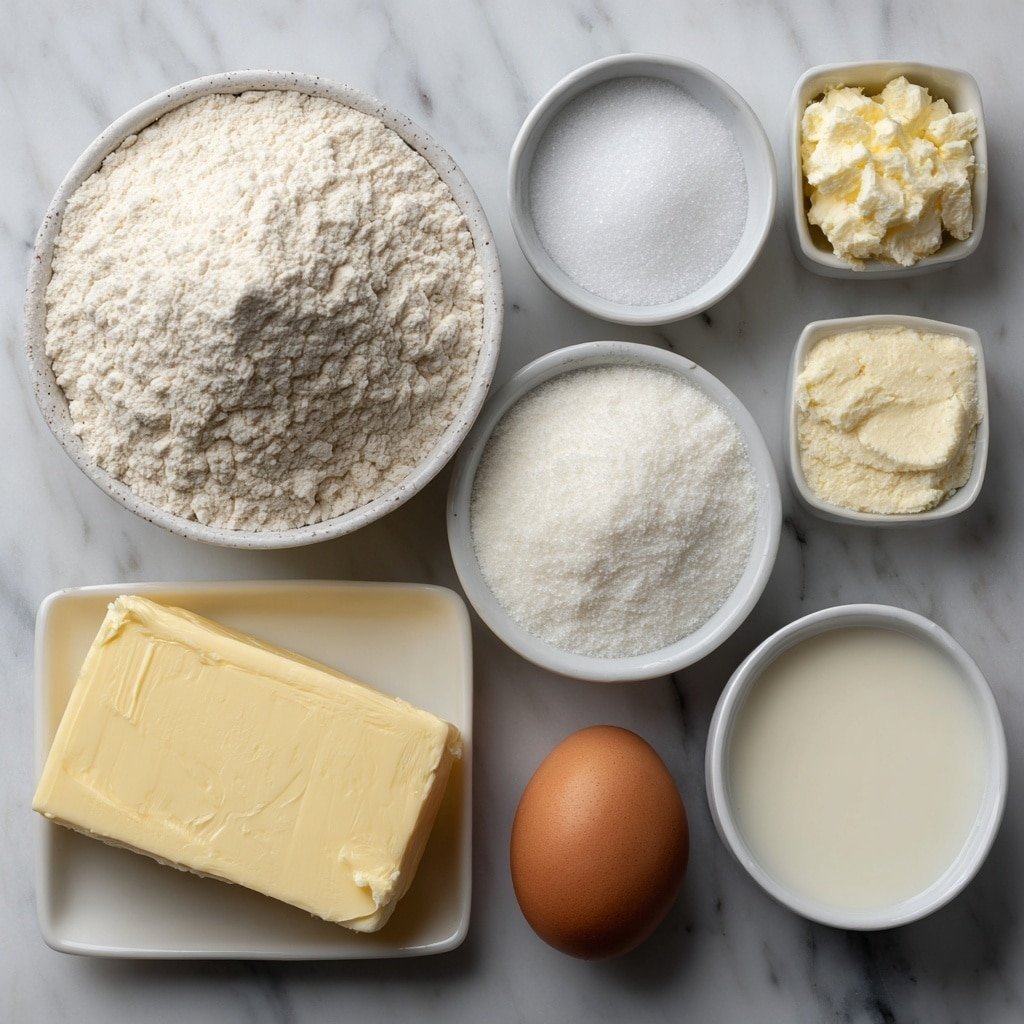
Ingredient Breakdown
All-purpose flour (500g): The sturdy base for structure—plain flour works best for that balance of tenderness and strength.
Granulated sugar (50g): Just enough sweetness to enhance the butter’s natural richness without overpowering.
Salt (10g): A small salt touch that deepens flavor and strengthens gluten.
Active dry yeast (10g): The miracle worker that lifts the dough into those airy layers—you can swap instant yeast but reduce by about 20%.
Warm milk (300ml): Adds moisture and subtle sweetness, creating that tender crumb.
Unsalted butter (2 tbsp melted + 225g cold block): Quality butter is a must—fat turns into those beautiful crispy layers. The cold butter block is for laminating.
Egg & milk for wash: Creates that glossy, golden finish you’ll want to bite into.
Before You Start
Prep really sets you up for success here. Measure ingredients carefully, have your butter block chilled and ready, and warm the milk so it’s pleasantly cozy but not hot—you want that yeast to bloom happily. Also, preheat your oven to 375°F (190°C). A rested dough means happier layers, so plan enough time to let it relax between folds.
🛎️
Kitchen Setup
The tools that make Homemade French Croissants Recipe easier, faster, and cleaner—plus optional add-ons if you love efficiency.
How to Make Homemade French Croissants Recipe
Make the dough (détrempe): In a large bowl, whisk together the flour, sugar, salt, and yeast. Pour in the warm milk and melted butter. Use your hands or a mixer with a dough hook to combine until the dough forms a soft, slightly sticky ball. You’ll notice it’s smoother than bread dough but still pliable.
First rest: Cover the bowl with a damp towel or plastic wrap and let the dough rise for about 1 hour, until it’s doubled and slightly puffy—this resting relaxes the gluten and activates gentle fermentation, setting the stage for those light layers.
Prepare the butter block (beurrage): While dough rests, place your cold butter between parchment paper and use a rolling pin to flatten it into an even square, about 7 inches wide and 1/2 inch thick. Keep it cold but pliable; this consistency helps create perfect layers when laminated into the dough.
Laminate the dough: Roll the rested dough on a floured surface into a 10 x 20-inch rectangle. Place the cold butter block on one half, then fold the other half over like a book to encase the butter fully. Pinch the edges to seal.
First fold (tour): Roll the dough-block combo gently into a long rectangle, about 10 x 24 inches. Fold the dough into thirds, like a letter. Wrap in plastic and chill for 30 minutes. This step layers butter and dough evenly—essential for that flaky texture.
🎯
Cook Like a Pro
Keeping your butter cold but flexible is key here—if it melts into the dough, your layers won’t puff up right. Chill between folds but don’t let the dough freeze. And always roll with gentle, even pressure to keep the layers uniform.
Second and third folds: Repeat rolling into a long rectangle and folding into thirds two more times, chilling the dough for 30 minutes between each fold. Each “turn” adds flaky layers that are the hallmark of great croissants.
Shape the croissants: After the final fold and chill, roll dough to about 1/4-inch thick and trim edges to form a neat rectangle (about 12 x 24 inches). Cut into long triangles, roughly 5 inches at the base. Starting at the base, gently stretch and roll each triangle tightly toward the tip. Place on a parchment-lined sheet with pointed ends tucked under.
Proof the shaped croissants: Cover loosely with plastic and let rise in a warm spot for 1 to 1.5 hours, until softly puffed but not doubled. This step encourages that delicate inner flakiness and tenderness.
Brush with egg wash: Beat the egg with milk and gently brush each croissant’s surface. This wash creates the buttery, shiny, golden-brown crust you’re craving.
Bake until golden: Preheat your oven to 375°F (190°C). Bake croissants for 25-30 minutes until puffed and deeply golden brown, with a crisp, crackling crust and fragrance that fills your kitchen.
Cool and enjoy: Let the croissants cool on wire racks for at least 10 minutes before tearing in—this helps the interior set beautifully, with soft, buttery layers that melt in your mouth.
Flavor Variations for Homemade French Croissants Recipe
Chocolate-filled: Slip a piece of dark or milk chocolate inside before rolling for a melty surprise.
Almond croissants: Spread almond paste inside and top with sliced almonds and powdered sugar after baking.
Herb & cheese savory twist: Add fresh rosemary and grated Gruyère in the dough or rolled within for a savory bite.
Seasonal fruit jam: Place a small dollop of your favorite jam at the base before rolling to get a sweet, fruity center.
Seed crust: Sprinkle sesame or poppy seeds over the egg wash for extra crunch and flavor.
Whole wheat swap: Try swapping half the flour for whole wheat for nuttier, earthier notes (expect a denser crumb).
Storage, Freezer & Reheat Tips
Store baked croissants in an airtight container at room temperature for up to 2 days; they’ll stay crisp on the outside and soft inside.
For longer storage, freeze baked croissants wrapped tightly in foil and plastic for up to 1 month. Thaw overnight at room temp.
You can also freeze unbaked shaped croissants on a tray, then bag and freeze for up to 2 weeks. When ready, thaw and proof before baking.
Reheat croissants in a 350°F (175°C) oven for 5-7 minutes to refresh crisp edges and warm buttery inside—avoid microwaving, which makes them soggy.
Homemade French Croissants Recipe FAQs
Can I use cold milk instead of warm milk? Warm milk activates the yeast more effectively, resulting in better rise. Using cold milk will slow fermentation and may produce a denser croissant.
Why is chilling the dough so important? Chilling firms up the butter, prevents it from melting into the dough, and relaxes gluten, making it easier to roll and fold thin layers.
How do I know when the croissants are proofed enough? They should look puffed and slightly jiggly but not doubled in size. Over-proofing can cause them to collapse in the oven.
Can I use salted butter instead of unsalted? You can, but omit or reduce additional salt in the dough to keep flavors balanced.
Is it possible to make this recipe vegan? For a vegan twist, substitute the milk with plant-based milk, replace butter with a high-fat vegan butter, and use a flax or chickpea egg wash alternative. The texture may vary slightly, but it’s delicious.
Warm & Familiar Homemade French Croissants Recipe
There’s something utterly comforting about the delicate layers of a freshly baked croissant—the crackly, buttery crust breaking to reveal a tender, airy inside. I love when a homemade french croissant fills the kitchen with its fragrant, warm aroma—it’s a small but magical moment worth savoring.
Making croissants from scratch might seem daunting at first, but with a little patience and some step-by-step guidance, you’ll find it’s a wonderfully rewarding process. This Homemade French Croissants Recipe balances tradition and clarity, so even if it’s your first time, you’ll feel confident kneading, folding, and shaping like a pro.
You’ll notice how every buttery fold builds that signature flakiness, and by the time they bake to a perfect golden hue, you’ll understand why these croissants are a timeless treat. Let’s dive in and make your kitchen smell like a Parisian bakery!
🌟
Standout Details
Comfort meets flavor: Cozy, rich, and balanced.
Beginner-friendly: Clear steps built for real kitchens.
Flexible: Easy swaps for ingredients you already have.
Meal-prep happy: Stores well without losing texture.
Ingredient Breakdown
All-purpose flour (500g): The sturdy base for structure—plain flour works best for that balance of tenderness and strength.
Granulated sugar (50g): Just enough sweetness to enhance the butter’s natural richness without overpowering.
Salt (10g): A small salt touch that deepens flavor and strengthens gluten.
Active dry yeast (10g): The miracle worker that lifts the dough into those airy layers—you can swap instant yeast but reduce by about 20%.
Warm milk (300ml): Adds moisture and subtle sweetness, creating that tender crumb.
Unsalted butter (2 tbsp melted + 225g cold block): Quality butter is a must—fat turns into those beautiful crispy layers. The cold butter block is for laminating.
Egg & milk for wash: Creates that glossy, golden finish you’ll want to bite into.
Before You Start
Prep really sets you up for success here. Measure ingredients carefully, have your butter block chilled and ready, and warm the milk so it’s pleasantly cozy but not hot—you want that yeast to bloom happily. Also, preheat your oven to 375°F (190°C). A rested dough means happier layers, so plan enough time to let it relax between folds.
🛎️
Kitchen Setup
The tools that make Homemade French Croissants Recipe easier, faster, and cleaner—plus optional add-ons if you love efficiency.
How to Make Homemade French Croissants Recipe
Make the dough (détrempe): In a large bowl, whisk together the flour, sugar, salt, and yeast. Pour in the warm milk and melted butter. Use your hands or a mixer with a dough hook to combine until the dough forms a soft, slightly sticky ball. You’ll notice it’s smoother than bread dough but still pliable.
First rest: Cover the bowl with a damp towel or plastic wrap and let the dough rise for about 1 hour, until it’s doubled and slightly puffy—this resting relaxes the gluten and activates gentle fermentation, setting the stage for those light layers.
Prepare the butter block (beurrage): While dough rests, place your cold butter between parchment paper and use a rolling pin to flatten it into an even square, about 7 inches wide and 1/2 inch thick. Keep it cold but pliable; this consistency helps create perfect layers when laminated into the dough.
Laminate the dough: Roll the rested dough on a floured surface into a 10 x 20-inch rectangle. Place the cold butter block on one half, then fold the other half over like a book to encase the butter fully. Pinch the edges to seal.
First fold (tour): Roll the dough-block combo gently into a long rectangle, about 10 x 24 inches. Fold the dough into thirds, like a letter. Wrap in plastic and chill for 30 minutes. This step layers butter and dough evenly—essential for that flaky texture.
🎯
Cook Like a Pro
Keeping your butter cold but flexible is key here—if it melts into the dough, your layers won’t puff up right. Chill between folds but don’t let the dough freeze. And always roll with gentle, even pressure to keep the layers uniform.
Second and third folds: Repeat rolling into a long rectangle and folding into thirds two more times, chilling the dough for 30 minutes between each fold. Each “turn” adds flaky layers that are the hallmark of great croissants.
Shape the croissants: After the final fold and chill, roll dough to about 1/4-inch thick and trim edges to form a neat rectangle (about 12 x 24 inches). Cut into long triangles, roughly 5 inches at the base. Starting at the base, gently stretch and roll each triangle tightly toward the tip. Place on a parchment-lined sheet with pointed ends tucked under.
Proof the shaped croissants: Cover loosely with plastic and let rise in a warm spot for 1 to 1.5 hours, until softly puffed but not doubled. This step encourages that delicate inner flakiness and tenderness.
Brush with egg wash: Beat the egg with milk and gently brush each croissant’s surface. This wash creates the buttery, shiny, golden-brown crust you’re craving.
Bake until golden: Preheat your oven to 375°F (190°C). Bake croissants for 25-30 minutes until puffed and deeply golden brown, with a crisp, crackling crust and fragrance that fills your kitchen.
Cool and enjoy: Let the croissants cool on wire racks for at least 10 minutes before tearing in—this helps the interior set beautifully, with soft, buttery layers that melt in your mouth.
Flavor Variations for Homemade French Croissants Recipe
Chocolate-filled: Slip a piece of dark or milk chocolate inside before rolling for a melty surprise.
Almond croissants: Spread almond paste inside and top with sliced almonds and powdered sugar after baking.
Herb & cheese savory twist: Add fresh rosemary and grated Gruyère in the dough or rolled within for a savory bite.
Seasonal fruit jam: Place a small dollop of your favorite jam at the base before rolling to get a sweet, fruity center.
Seed crust: Sprinkle sesame or poppy seeds over the egg wash for extra crunch and flavor.
Whole wheat swap: Try swapping half the flour for whole wheat for nuttier, earthier notes (expect a denser crumb).
Storage, Freezer & Reheat Tips
Store baked croissants in an airtight container at room temperature for up to 2 days; they’ll stay crisp on the outside and soft inside.
For longer storage, freeze baked croissants wrapped tightly in foil and plastic for up to 1 month. Thaw overnight at room temp.
You can also freeze unbaked shaped croissants on a tray, then bag and freeze for up to 2 weeks. When ready, thaw and proof before baking.
Reheat croissants in a 350°F (175°C) oven for 5-7 minutes to refresh crisp edges and warm buttery inside—avoid microwaving, which makes them soggy.
Homemade French Croissants Recipe FAQs
Can I use cold milk instead of warm milk? Warm milk activates the yeast more effectively, resulting in better rise. Using cold milk will slow fermentation and may produce a denser croissant.
Why is chilling the dough so important? Chilling firms up the butter, prevents it from melting into the dough, and relaxes gluten, making it easier to roll and fold thin layers.
How do I know when the croissants are proofed enough? They should look puffed and slightly jiggly but not doubled in size. Over-proofing can cause them to collapse in the oven.
Can I use salted butter instead of unsalted? You can, but omit or reduce additional salt in the dough to keep flavors balanced.
Is it possible to make this recipe vegan? For a vegan twist, substitute the milk with plant-based milk, replace butter with a high-fat vegan butter, and use a flax or chickpea egg wash alternative. The texture may vary slightly, but it’s delicious.